
Why we created The TessArray Project
A conversation one afternoon about values, storytelling, and helping students thrive.
Our Story
Many students spend their last years of high school focused on grades and test scores. But programs and employers are increasingly looking for students who can tell a compelling story about their experiences and make strong arguments for their next steps. Beyond admissions, we recognized something deeper: students who understand what matters to them can make better choices, navigate change with confidence, and feel genuinely connected to their post-high school educational experience.
We have worked with thousands of post-secondary students and we see the same pattern: students who struggle with their post-secondary experience have often chosen programs based on external pressure or vague goals, not because they understand themselves and what they value. Some discover too late that it's not the right fit. Others feel overwhelmed because they haven't built the self-knowledge and adaptability to navigate emerging challenges.
The turning point came when we realized: What if we could give students these tools earlier before they make these important decisions about their future?
Most self-knowledge and storytelling skills develop through guided, structured learning—but not all students have access to these opportunities. The TessArray Project aims to change that by making the experiences accessible to every student, right when they need it most. We also understand that in a world of rapid change and artificial intelligence, the most valuable skills will be the human ones: the ability to understand yourself, communicate authentically, adapt with confidence, and tell your own story. Starting this work now—at 16 or 17—gives students a foundation to thrive through every transition ahead.
Our Vision
In an ideal world, every high school student would have access to a program like this. Our vision is to offer The TessArray Project as a weekend program in cities across Canada, making self-knowledge and storytelling skills accessible to every student who wants to understand their values and prepare for the transitions ahead.
How we teach
We believe students can do hard, meaningful things.
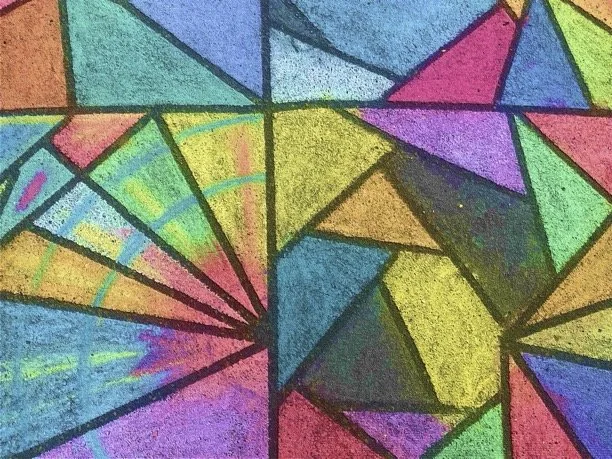
Our engineering-informed approach combines rigorous self-reflection with practical skill-building. Like tesserae, individual tiles in a mosaic array, each person has a unique shape, pattern, and purpose. We don't tell students who to be or what pattern to follow. Instead, we give them tools to discover their unique design, navigate change with confidence, and place themselves intentionally in the world they want to create.
This approach blends drama and engineering for a reason: creativity helps you explore possibilities; systems thinking helps you build sustainable plans. Together, they create powerful, lasting change.
Meet our Founders
Dr. Alison McGuigan
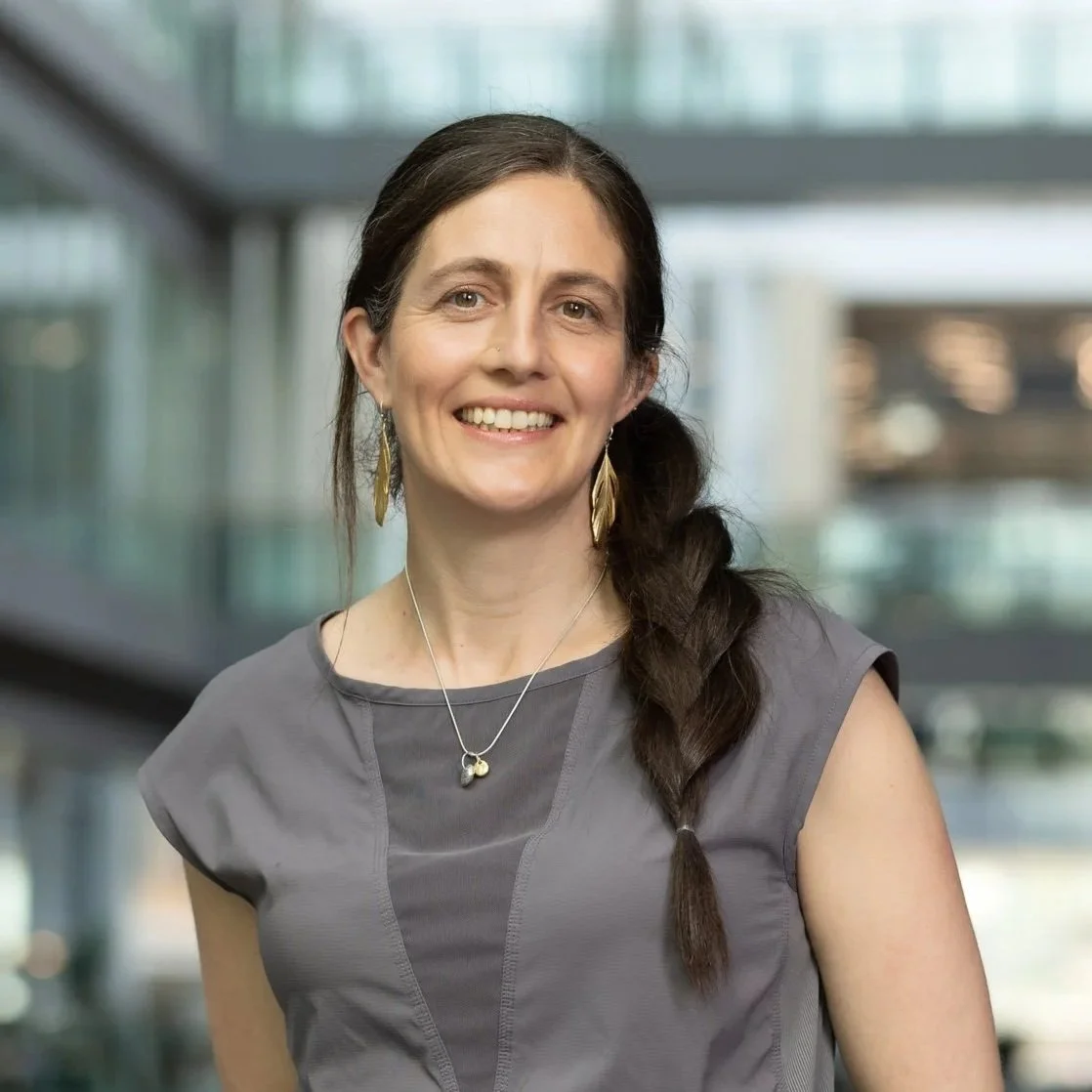
Dr. McGuigan is the Canada Research Chair in Tissue Engineering and Disease Modelling. She completed undergraduate training at Oxford University, graduate training at the University of Toronto, and post-doctoral training at Harvard and Stanford School of Medicine. She has been recognized internationally for research and was a member of the Ilead team at the University of Toronto that won the Alan Blizzard Award for Distinguished Collaboration in Canadian University Teaching and Learning.
Alison brings expertise in systematic thinking, research methodology, and how to build rigorous approaches to complex problems—all of which inform The Tessarray Project's engineering-informed methodology.
Dr. Lydia Wilkinson
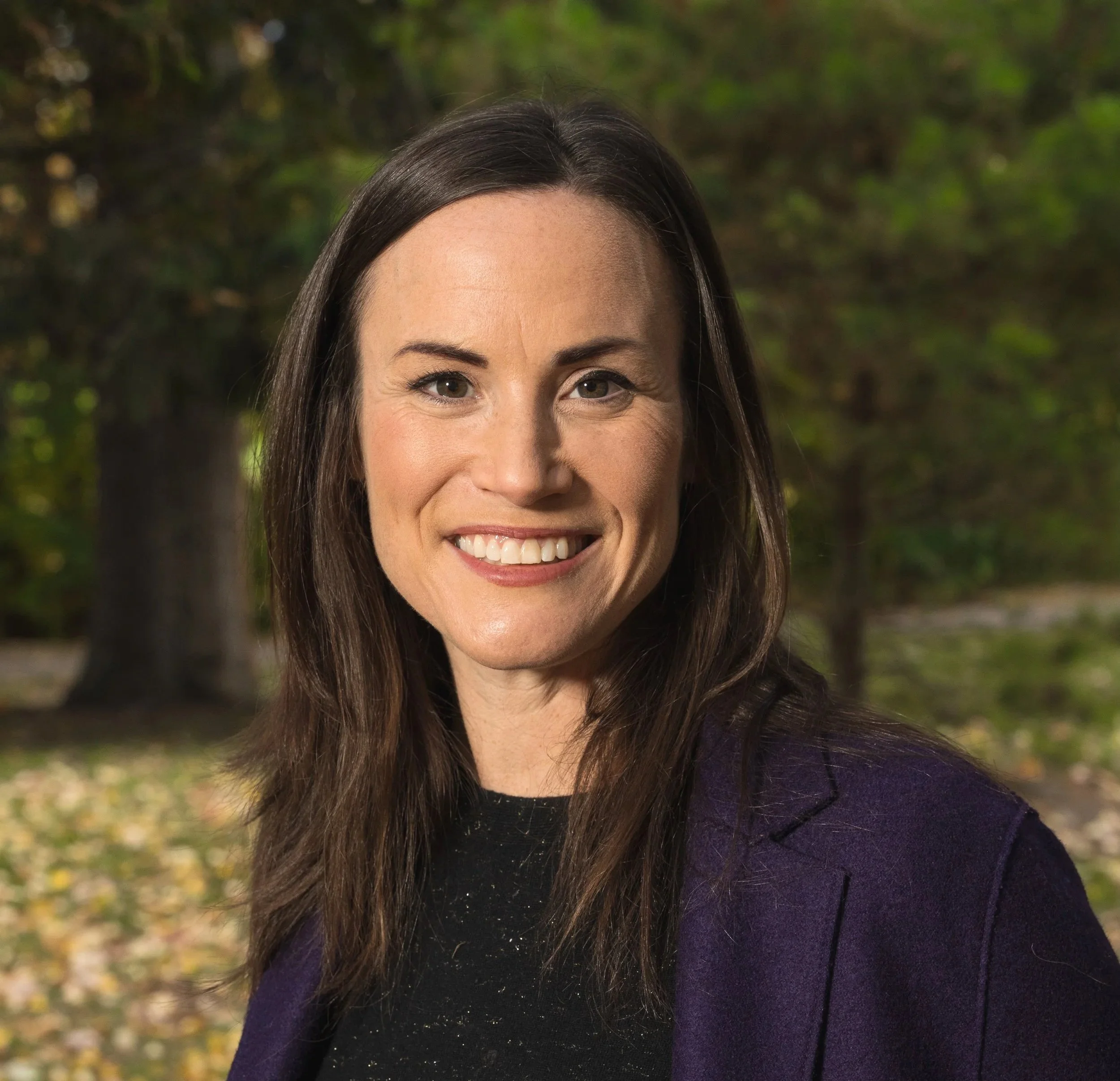
Dr. Wilkinson is an Assistant Professor, Teaching Stream at the University of Toronto's Institute for Studies in Transdisciplinary Engineering Education and Practice. She applies her training in Education from Queen's University and graduate work in Theatre and Performance Studies from the University of Toronto to help students develop humanistic skills that empower them as future problem solvers and leaders. She has presented and published internationally on her teaching and research and received multiple teaching awards for her work at the University of Toronto.
Lydia brings expertise in drama-based learning, humanistic education, and how to create safe spaces for students to take creative risks and explore who they are.